ILERA EKO: LASHMA Wraps Up Capacity Training for Journalists to Enhance Public Awareness
For many Lagos residents, the words “health insurance” can still sound like something meant for civil servants, big companies or people who have money to spare. But what if paying for health insurance could mean the difference between treating an illness and borrowing heavily to pay a hospital bill?
This is what Lagos State Health Management Agency, LASHMA, is seeking to change with its renewed engagement with journalists on the Lagos State Health Scheme, popularly known as ILERA EKO.
LASHMA just concluded another two-day capacity-building programme for journalists, aimed at equipping health reporters with a better understanding of the scheme, the law behind it, what enrollees are entitled to and, importantly, how residents can access the care they are paying for.
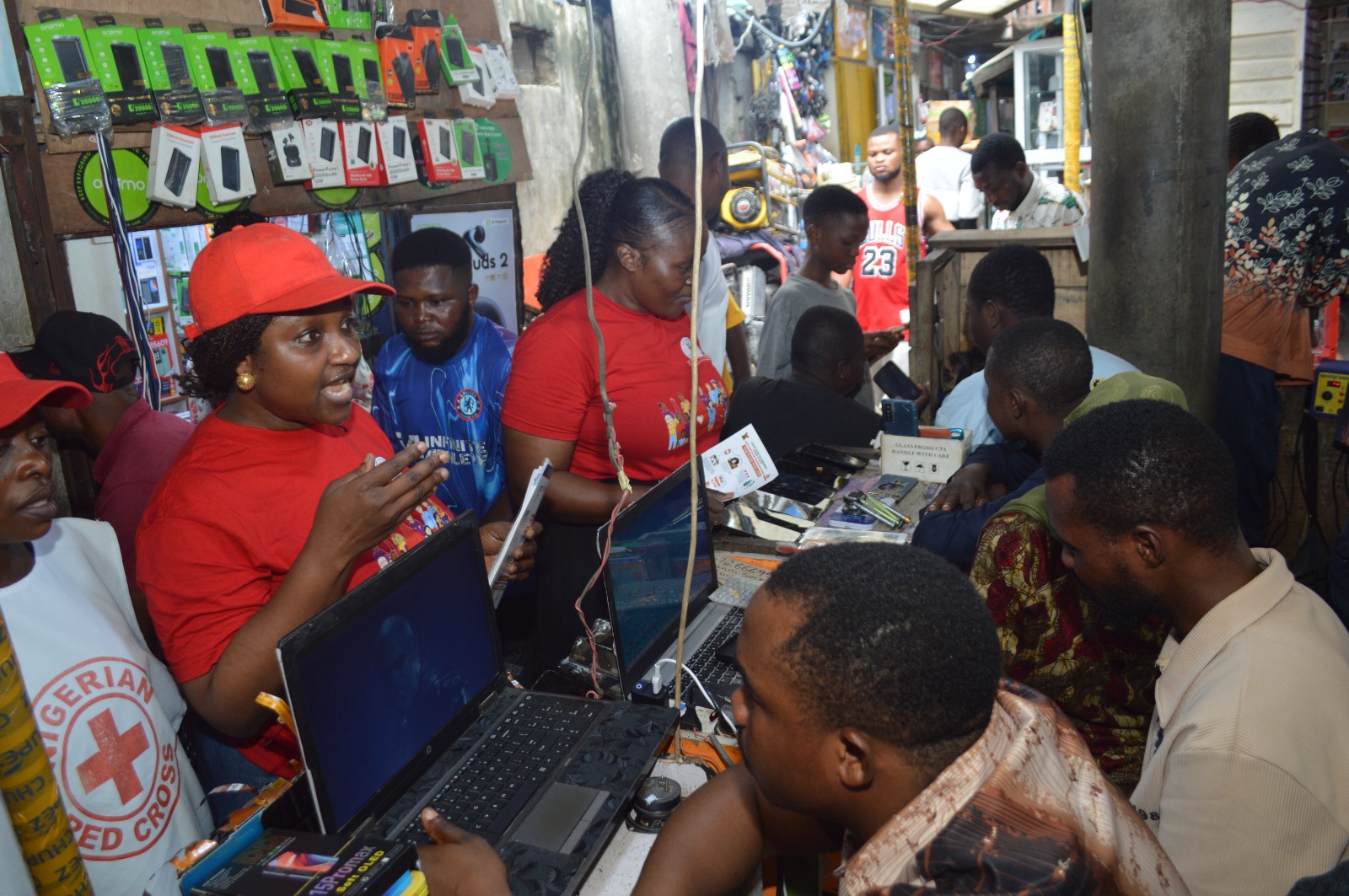
LASHMA is not just teaching journalists what ILERA EKO is, they are trying to make the media a stronger bridge between the scheme and Lagos residents because health insurance is a subject that can be easily misunderstood. The training is also part of the agency's broader push to make health insurance better understood across Lagos — particularly, now that enrolment in the state's health insurance scheme is mandatory.
For the Permanent Secretary of LASHMA, Dr. Emmanuella Zamba, the media is not just another stakeholder. Journalists are the people who take policies from government offices to the homes, markets, workplaces and communities where ordinary Lagosians live and work. That explains why the training went beyond simply telling journalists to “sensitise the public.”
Participants were taken through the Lagos State Health Scheme Law, the National Health Insurance Authority Act, ILERA EKO's benefit packages, enrollee rights and responsibilities, provider accreditation, complaints and grievance procedures, emergency care and the role of LASHMA in regulating the scheme. And the numbers are beginning to tell a story.
The latest training brought together 36 journalists, following an earlier batch of 56 journalists trained in February 2026, bringing the total number trained so far to 92. But for LASHMA, the real value of the exercise is not the number of reporters in the room. It is what happens when those reporters return to their newsrooms.
If a Lagos resident pays a premium and walks into an accredited hospital, what exactly should that person receive?
If the hospital refuses a service covered by the person's plan, what should the enrollee do?
If a complaint is made, who listens?
And if a resident cannot afford the premium in the first place, is that person simply left behind?
These are the questions that make health insurance more than a government policy, they make it a public-interest issue. LASHMA says ILERA EKO currently connects more than 1.5 million Lagos residents to healthcare through a network of more than 630 accredited providers across the state. Residents can use LASHMA's provider directory to find hospitals and other healthcare providers participating in the scheme. The scheme covers services ranging from consultations and hospital care to specialist services, maternity and newborn care, eye care, selected cancer treatment, renal dialysis, laboratory investigations, telemedicine and other services, depending on the plan an enrollee chooses.
On 16th July 2024, Lagos State Governor, Babajide Olusola Sanwo-Olu, signed an Executive Order, making health insurance under ILERA EKO mandatory for all residents of Lagos State. To demonstrate leadership by example, all Lagos State Public Servants have been enrolled on ILERA EKO, with Government paying 75 per cent of the annual premium while Public Servants contribute 25 per cent.
There is also a safety net for residents who may not be able to afford the premium. Lagos has increased its equity fund for vulnerable residents from ₦1 billion to ₦3 billion, with one per cent of the state's Consolidated Revenue Fund dedicated to the initiative, reinforcing the State’s commitment to leaving no one behind. This is important because universal health coverage cannot mean only those who can pay. It has to include the market woman, the artisan, the young graduate just starting out, the elderly person, the informal worker and the family that can barely put food on the table.
This is where the media's responsibility becomes even more important. The media therefore has a critical responsibility to explain policies accurately, dispel myths, amplify impact and hold institutions accountable.
LASHMA has also provided 24-hour channels through which enrollees can seek assistance, make enquiries or raise concerns. Residents can visit the LASHMA website to view available plans, enroll, check participating healthcare providers and get more information about the scheme. Ultimately, the message coming out of the training is simple: health insurance will only work when Lagos residents understand it, trust it and use it.
Despite these efforts and the introduction of innovations aimed at simplifying enrolment and reducing out-of-pocket healthcare expenditure, many residents remain uncovered. And this is where journalists underscores the need for sustained awareness and accurate dissemination of information.
The success of Mandatory Health Insurance in Lagos State depends significantly on public awareness and trust. And for journalists, the assignment goes beyond publicity. It is about making sure that the Lagos resident who has never understood health insurance finally sees why it matters — and knows exactly where to go to get covered.
Edited By Ben Jasmine, Health Reporter
Related Articles
The following 6 pages may interest you as well: